Cost guide
Water Mitigation Cost: What Affects the Price?
Water mitigation cost depends on the water source, water category, affected area, material type, drying equipment, time water has been sitting, monitoring visits, documentation, and local labor rates. This guide explains each factor in plain language so you can review a written estimate with more confidence.
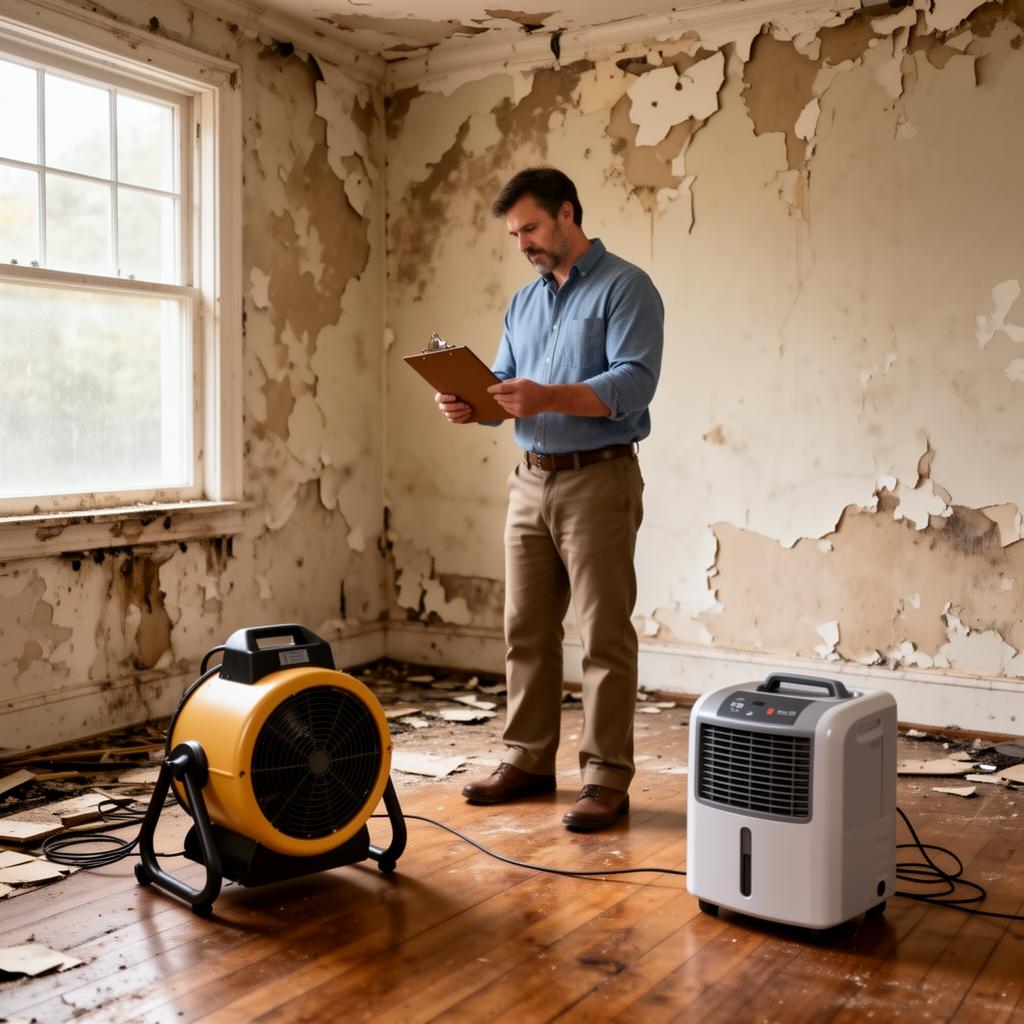
New: Free Water Mitigation Cost Estimator
Try nowAnswer 8 quick questions and get a cost pressure tier, drying days, and rough equipment plan.
What this page is, and is not
What affects water mitigation cost the most?
A water mitigation estimate is not a single line item. It is the sum of many smaller decisions about safety, scope, equipment, and time. The factors that move the price the most are usually:
- Water category, including clean, gray, and contaminated water.
- Affected square footage across rooms and floors.
- How long the water has been sitting before extraction begins.
- Type of materials affected, including flooring, drywall, and cabinets.
- Drying equipment plan, including air movers and dehumidifiers.
- Controlled demolition needed to reach hidden moisture.
- Monitoring visits and the number of drying days.
- Sewage, mold, or contamination risk that adds containment and disposal.
- Local labor rates and current storm activity in the area.
- Insurance documentation requirements for your specific claim.
Water Mitigation Cost Factors
The table below shows the most common cost drivers in a water mitigation estimate, why each one affects price, and a clear question you can ask the company.
| Cost factor | Why it affects price | What to ask the company |
|---|---|---|
| Water category | Clean, gray, or contaminated water changes safety steps, PPE, disposal, and cleaning. | What category is this water and how was that decided? |
| Affected square footage | Larger areas mean more extraction, more equipment, and more drying days. | What rooms and how many square feet are included in the scope? |
| Dwell time | Water that has been sitting longer saturates deeper and raises microbial risk. | When was the water first found and when did extraction begin? |
| Flooring materials | Carpet, pad, hardwood, laminate, tile, and concrete all dry or fail differently. | Which flooring will be dried in place and which will be removed? |
| Wall and ceiling materials | Drywall, plaster, and insulation hold moisture in ways that change the plan. | Will walls be flood cut, drilled for airflow, or dried in place? |
| Drying equipment | Air mover count, dehumidifier size, and run time all affect the invoice. | How many air movers and dehumidifiers will be used and for how long? |
| Dehumidification | Larger or refrigerant versus desiccant units affect rental and energy cost. | What size and type of dehumidifier fits this loss? |
| Moisture inspection | Meters and thermal imaging guide the scope and protect against hidden moisture. | Will daily moisture readings and photos be shared with me? |
| Demolition and disposal | Removing wet materials, bagging, hauling, and dump fees add up. | What materials are scheduled for removal and how is disposal billed? |
| Monitoring visits | Daily checks verify drying progress and adjust the equipment plan. | How often will a technician return and document readings? |
| Insurance documentation | Photos, moisture logs, and scope notes take time and may be itemized. | Will I receive a full documentation package for my claim? |
| Emergency response timing | After hours, weekend, and holiday dispatch can carry priority charges. | Are there after hours or emergency response fees in this estimate? |
| Local labor rates | Labor cost varies by region, demand, and storm activity. | Is this estimate based on standard rates or storm event rates? |
Common Water Damage Situations and Cost Pressure
The table below uses simple cost pressure labels rather than dollar amounts. Real estimates depend on the specific scope, materials, and your location. Use this only to set expectations before a written estimate.
| Situation | Typical cost pressure | Why the scope changes |
|---|---|---|
| Small clean-water leak in one room | Lower | Limited area, fewer materials, shorter drying time. |
| Burst pipe affecting one room | Medium | Higher water volume, possible wall and flooring saturation. |
| Finished basement with wet carpet and drywall | Higher | More square footage, more materials, more equipment days. |
| Hardwood floor water damage | Higher | Sensitive material that often needs specialty drying or replacement. |
| Water inside walls or ceiling | Higher | Hidden moisture and access work add labor and demolition. |
| Water present more than 24 hours | Higher | Deeper saturation, secondary damage, microbial risk. |
| Sewage backup or category 3 water | Highest | Containment, PPE, antimicrobials, and disposal add scope. |
| Multiple rooms or multiple floors | Highest | More equipment, more monitoring, longer timeline. |
| Mold-risk situation | Highest | May require containment and remediation in addition to drying. |
Why the Type of Water Changes the Scope
Water mitigation companies usually describe water in three broad groups. The category sets the safety steps, the cleaning approach, and what can be saved.
- Clean water usually comes from a supply line, a sink overflow, or rainwater that has not contacted contaminated surfaces. The scope often focuses on extraction and drying.
- Gray water may contain some contamination, for example from an appliance discharge or a clean water source that has been sitting and degraded. Extra cleaning and some material removal is more common.
- Sewage or contaminated water can carry pathogens or outdoor floodwater. It typically requires containment, personal protective equipment, antimicrobial cleaning, and disposal of porous materials that cannot be safely cleaned.
If water may contain sewage, chemicals, outdoor floodwater, or unsafe contamination, avoid contact and call a qualified professional. Standing water near electricity is also a safety risk.
How Drying Equipment Affects the Estimate
Drying is rarely a single piece of equipment for a single day. The plan combines several tools and a monitoring schedule. Each one shows up in the estimate in different ways.
- Air movers push airflow across wet materials to speed evaporation. Count and placement depend on room size and material type.
- Dehumidifiers pull moisture out of the air so it does not redeposit on surfaces. Size and type, including refrigerant or desiccant, affect rental cost.
- Air scrubbers may be used when there is microbial risk or when containment is in place.
- Moisture meters and, when appropriate, thermal imaging, help locate hidden moisture and confirm drying progress.
- Daily monitoring visits document readings, adjust equipment, and protect the structure from being underdried.
- Equipment days are a real line item. Longer drying timelines mean more rental days. A written scope should explain why the equipment count and days fit your loss.
Industry training such as IICRC Applied Structural Drying covers effective and timely drying of water damaged structures and contents. Asking a company about its drying plan is a fair question.
For a step-by-step guide to how drying fits into the full scope, see the water mitigation process page. For how the drying phase differs from the rebuild phase on cost, see water mitigation vs restoration.
Why Some Materials Cost More to Dry or Remove
Materials respond to water in very different ways. Some can be dried in place. Others need to be cut out and replaced. The estimate should explain each decision.
- Carpet and pad can sometimes be lifted and dried, but the pad is often removed when it is saturated or contaminated.
- Drywall may be dried in place with airflow, or flood cut at a set height when saturation is high.
- Insulation behind walls and in floor cavities loses performance when wet and is often removed.
- Hardwood is sensitive and may need specialty drying mats, longer timelines, or replacement.
- Cabinets can trap moisture against walls. Toe kicks may be cut, or the cabinets may be detached for airflow.
- Plaster dries differently than drywall and benefits from careful moisture mapping.
- Concrete in a basement or slab holds moisture for a long time and influences the dehumidification plan.
- Finished basements usually combine several of the materials above, which is why the scope grows quickly.
EPA flood cleanup guidance notes that mold can grow on wet materials if they remain wet for more than about 24 hours, which is one reason fast response and clear drying decisions matter.
Water Mitigation Cost vs Restoration Cost
Mitigation and restoration are often handled by the same company, but they are not the same line of work. Knowing the difference helps you read an estimate, talk to your insurer, and plan the rebuild.
- Water mitigation usually covers extraction, drying, monitoring, controlled demolition, antimicrobial treatment, and documentation. The goal is to stop further damage and dry the structure.
- Restoration covers the rebuild work that follows, including drywall replacement, flooring, paint, trim, cabinets, and finish carpentry. The goal is to return the home to its prior condition.
A written scope should clearly separate mitigation from restoration so you understand which company is doing what work and how each part is billed.
Does Homeowners Insurance Affect Water Mitigation Cost?
Insurance does not make water mitigation cheaper. It shapes how the work is documented, reviewed, and paid for. Coverage depends on the policy, the cause of loss, exclusions, and the insurer's review.
Common items the claim process touches include your deductible, preferred vendor options if your carrier offers them, approval steps for larger scopes, and the documentation package the company submits. National Association of Insurance Commissioners guidance says homeowners should document damaged property, take photos and videos, and contact the insurer with policy information.
Helpful internal reads
Water Mitigation Cost Estimator
Use this estimator to understand which factors may push a water mitigation project toward lower, medium, higher, or highest cost pressure. This is educational only and not a quote.
Water Mitigation Cost Estimator
Free toolAnswer a few quick questions to see your cost pressure tier, likely drying days, and a rough equipment plan. Educational only, not a quote.
How to Use This Estimate
The result above is a directional read on cost pressure, not a price. Compare it with a written scope from a qualified local company, including moisture readings, an equipment plan with air mover and dehumidifier counts, expected drying days, and a clear list of materials to be removed or dried in place. Cross-check the same details against your insurance documentation so the claim review and the invoice line up.
What Should Be Included in a Water Mitigation Estimate?
A clear written estimate makes it easier to compare companies, understand what you are paying for, and support an insurance claim. The items below are reasonable to expect from a water mitigation services estimate.
- Source of water and how it was identified
- Water category and the reasoning behind it
- Affected rooms with approximate square footage
- Affected materials, including flooring, walls, ceiling, and contents
- Extraction plan and equipment used
- Drying equipment count, including air movers and dehumidifiers
- Estimated drying days and the drying target
- Monitoring schedule and who returns each day
- Demolition items and the reason each is scheduled
- Disposal method and dump or hauling fees
- Photos of conditions before and during work
- Moisture readings, baselines, and target values
- Documentation package for the insurance claim
- Exclusions and items that are not part of the scope
- Payment terms, deposit, and final invoice timing
- Change order process if more damage is found
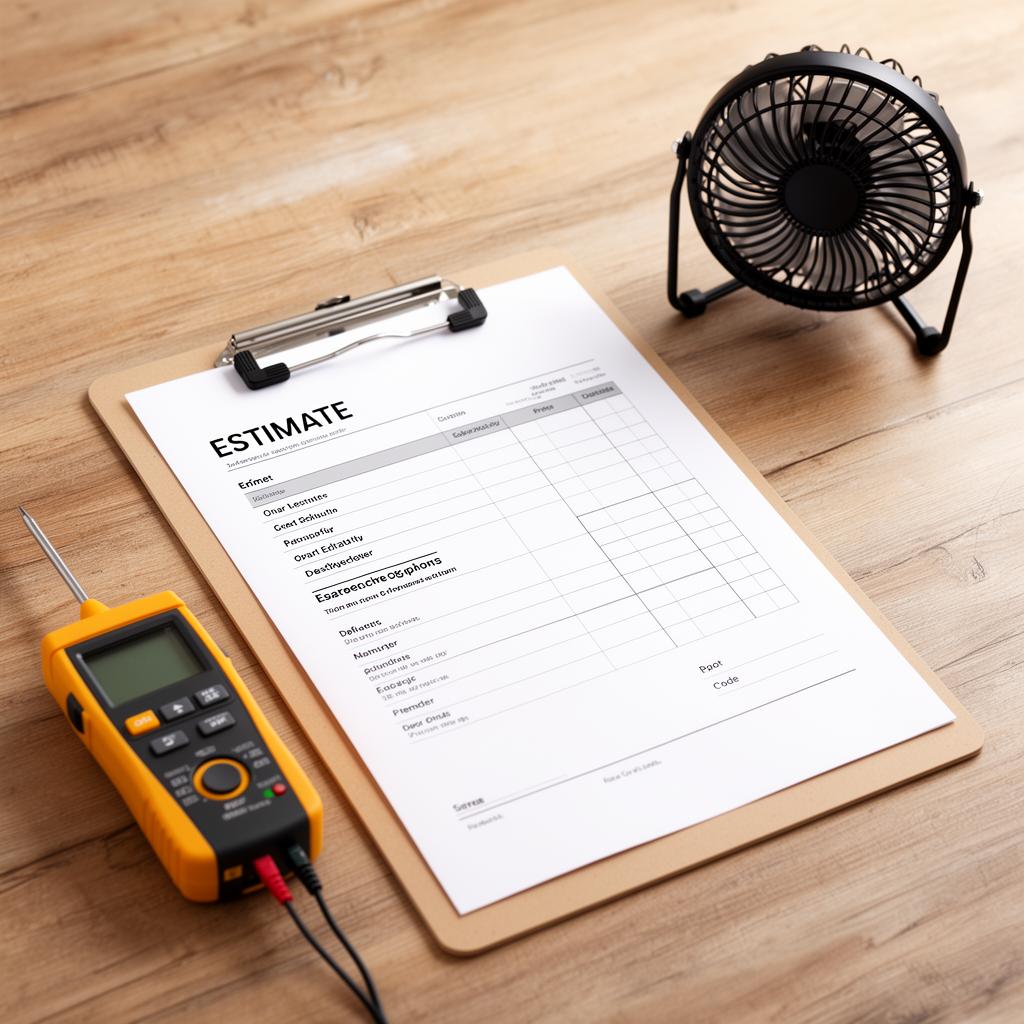
How Homeowners Can Reduce Surprise Charges
Surprise charges usually come from unclear scope, slow decisions, or missing documentation. The steps below help keep the project on a predictable path.
- Document the loss early with photos and a written timeline.
- Stop the water source only when it is safe to do so.
- Call a qualified company quickly to limit secondary damage.
- Ask for a written scope of work before any demolition begins.
- Ask for daily moisture readings and a copy of the drying log.
- Compare two written estimates when the situation allows time.
- Avoid signing an open ended authorization or unclear assignment of benefits.
- Confirm what is excluded so repair and rebuild scope are clear.
Questions to Ask Before Approving the Estimate
The questions below help you compare estimates on more than just the bottom line. Ask each one and write down the answer.
| Question | Why it matters |
|---|---|
| What category of water is this? | Category drives safety steps, disposal, cleaning, and scope. |
| Which rooms and materials are affected? | Sets the size of the job and the materials in the plan. |
| What will be dried in place? | Drying in place can save materials and lower total cost. |
| What will be removed? | Controlled demolition is sometimes faster and safer than extended drying. |
| How many air movers and dehumidifiers will be used? | Equipment count and days drive a meaningful share of the invoice. |
| How often will readings be taken? | Daily readings show the structure is actually reaching a dry standard. |
| Will I receive moisture logs? | Logs support the insurance claim and confirm the drying outcome. |
| What is excluded from the estimate? | Knowing exclusions prevents surprise charges or coverage gaps. |
| What happens if more damage is found? | A written change order process protects you and the contractor. |
| Who communicates with insurance? | A clear point of contact keeps the claim moving. |
For deeper review, see the contractor checklist and find local help.
Sources used for general guidance
These references are used for general education about water damage, structural drying, mold prevention, and homeowners claim preparation. They are not price sources, contractor recommendations, or guarantees of coverage.
Frequently Asked Questions
Water mitigation cost questions
- There is no honest single answer. Water mitigation cost depends on the category of water, the affected square footage, how long the water has been sitting, the materials involved, the drying equipment plan, monitoring visits, demolition and disposal, documentation, and local labor rates. Two homes on the same street can land at very different numbers.