Services guide
Water Mitigation Services: What Is Usually Included?
Water mitigation services are the steps used to stop further damage after water enters a home. This guide explains inspection, water extraction, moisture readings, structural drying, dehumidification, documentation, and the restoration handoff that follows.
What this page is, and is not
What are water mitigation services?
Water mitigation services are the inspection, extraction, drying, monitoring, documentation, and damage control steps used after water enters a home. The goal is to reduce further damage, dry the structure, and prepare the property for restoration or repair. A qualified local water damage company should explain the plan in writing before demolition begins.
- Inspection and assessment
- Water extraction
- Moisture mapping
- Structural drying
- Dehumidification
- Controlled demolition when needed
- Cleaning or antimicrobial treatment when appropriate
- Documentation
- Insurance support records
- Restoration handoff
For a step-by-step breakdown of how these services unfold in order, see the water mitigation process guide. To compare mitigation and the repair phase that follows, see water mitigation vs restoration.
Common Water Mitigation Services
The table below lists services most water damage companies offer. Not every job needs every service, and a written scope should explain which apply to your loss.
| Service | What it means | When it may be needed |
|---|---|---|
| Inspection and assessment | On-site review of the source, water category, affected rooms, and materials. | Most jobs, as the first step before extraction or demolition. |
| Water extraction | Removal of standing water from floors, carpet, basements, and affected areas. | Any loss with standing or pooled water on hard or soft surfaces. |
| Moisture mapping | Meter readings, and sometimes thermal imaging, across affected areas. | When hidden moisture in walls, ceilings, or flooring is possible. |
| Structural drying | Targeted airflow to evaporate moisture from framing and finishes. | When materials are wet but considered salvageable. |
| Dehumidification | Refrigerant or desiccant units sized to the affected space. | Alongside air movers on most multi-day drying jobs. |
| Air movement | Air movers placed by room size, material type, and drying plan. | Most drying scopes, to support the dehumidifier plan. |
| Content protection | Moving, blocking, or covering items to prevent secondary damage. | When personal items are in the affected area. |
| Controlled demolition | Removing saturated drywall, pad, insulation, or trim when needed. | When materials cannot dry safely in place. |
| Antimicrobial cleaning when appropriate | Applied to materials that contacted contaminated water. | When water category and conditions support it, not on every job. |
| Sewage or category 3 cleanup | Containment, PPE, and specialized cleaning for contaminated water. | Sewage backups, outdoor floodwater, or long-standing water. |
| Drying logs | Daily moisture readings, equipment counts, and progress notes. | On multi-day jobs and any job with an insurance claim. |
| Insurance documentation | Photos, scope notes, and a written package for the claim file. | Whenever a homeowners insurance claim is filed. |
| Restoration handoff | Transition to the rebuild scope once the dry standard is reached. | When repairs, paint, flooring, or trim work will follow. |
Inspection and Moisture Mapping
Inspection identifies the source, water category, affected rooms, materials, hidden moisture, and any safety concerns. Many companies use moisture meters, and sometimes thermal imaging, to find moisture inside walls, under flooring, and above ceilings.
Hidden moisture matters because materials that look dry can hold enough water to support microbial growth or warp finishes weeks later. Industry training such as IICRC Water Damage Restoration Technician covers this kind of assessment work.
Water Extraction Services
Water extraction removes standing water from floors, carpet, basements, and other affected areas. Faster extraction can reduce saturation depth and shorten drying time. Companies use portable or truck mounted equipment depending on the volume of water and access to the affected space.
Structural Drying and Dehumidification
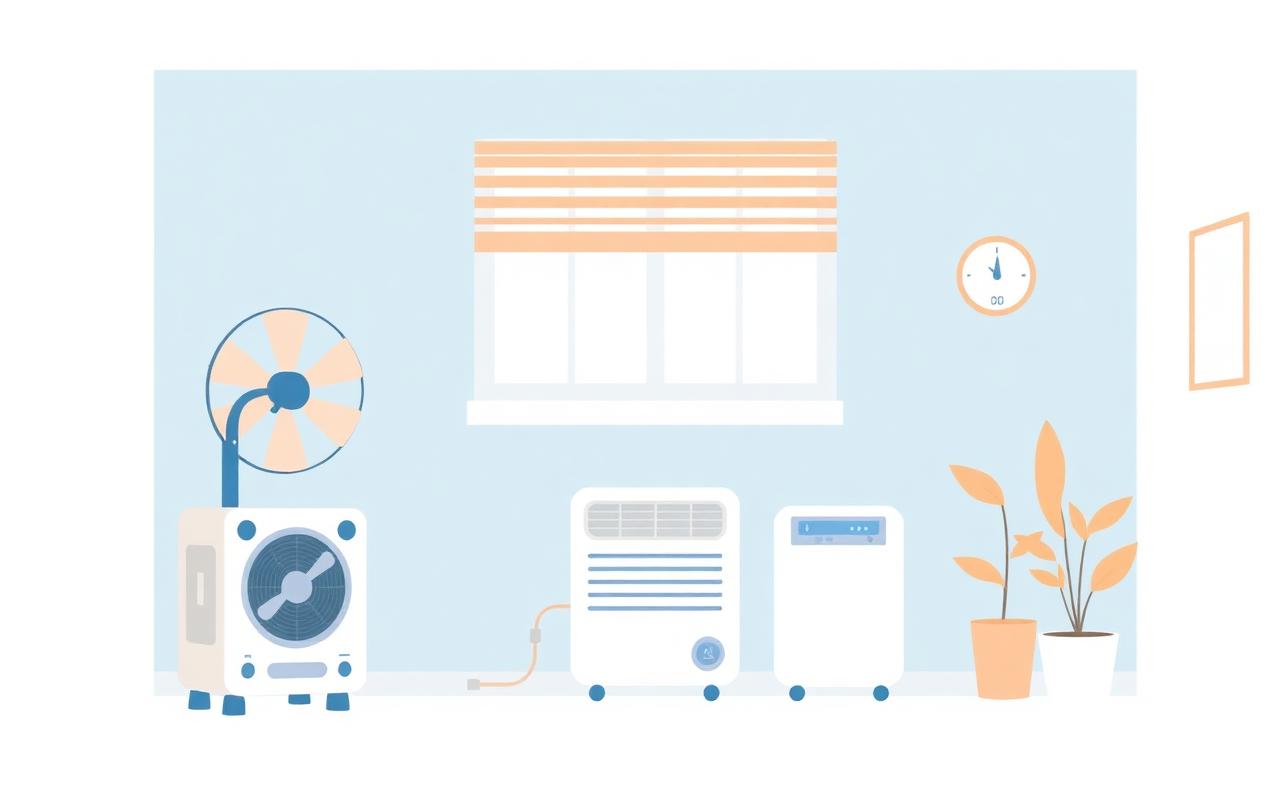
Structural drying combines air movers, dehumidifiers, and daily monitoring to dry wet materials. Dehumidification prevents moisture from redepositing on cool surfaces or moving into adjacent rooms.
A written scope should explain the equipment count and the expected drying days. IICRC Applied Structural Drying training covers effective and timely drying of water damaged structures and contents, which is the kind of plan a good scope usually reflects.
When Materials May Need Removal
Some materials cannot dry safely in place. Controlled demolition removes them so the rest of the structure can dry on a predictable timeline. Common candidates include the items below.
- Saturated drywall
- Wet insulation
- Carpet pad
- Damaged baseboards
- Cabinets or toe kicks with hidden moisture
- Contaminated porous materials
- Materials that cannot reach a dry standard safely
A good company explains which materials can be dried in place and which need to be removed, with photos taken before demolition begins. EPA mold and moisture guidance encourages fast drying and moisture control to limit microbial growth on materials that stay wet.
Which Services Fit Common Water Damage Situations?
Different losses lean on different services. The table below shows which services are often involved in common situations, and the kind of questions to ask before approving the scope.
| Situation | Services often involved | What homeowners should ask |
|---|---|---|
| Burst pipe in one room | Extraction, moisture mapping, structural drying, dehumidification. | How long will drying take and what will be dried in place? |
| Flooded basement | Extraction, content protection, drying, dehumidification, possible demolition. | How will concrete and below-grade walls be monitored? |
| Appliance overflow | Extraction, inspection behind cabinets, targeted drying. | Will you check cabinet toe kicks and subfloor for hidden moisture? |
| Roof leak and ceiling water damage | Inspection above the ceiling, drying, possible drywall removal. | Will you confirm the leak is stopped before drying starts? |
| Hardwood floor water damage | Extraction, specialty drying mats, moisture monitoring. | What moisture target will hardwood need to reach before refinishing? |
| Sewage backup | Category 3 cleanup, controlled demolition, antimicrobial treatment. | What PPE, containment, and disposal steps will be used? |
| Water present more than 24 hours | Inspection for microbial growth, drying, possible remediation referral. | Will moisture readings document the structure reaching a dry standard? |
| Multiple rooms affected | Larger equipment plan, daily monitoring, written scope updates. | How will you communicate scope changes between rooms? |
| Mold-risk situation | Inspection, drying, possible referral to a remediation specialist. | When does the situation cross from drying into remediation? |
If water is near electricity, sewage, or visible structural damage, stay out of the area and call emergency services or a qualified professional first.
Emergency Water Mitigation Services
Emergency service usually focuses first on safety, water extraction, containment, drying equipment setup, and documentation. Once the immediate damage is contained, the company can finalize a written scope and plan the drying days. For a first-hour action guide, see emergency water mitigation. Water Mitigation Hub does not dispatch emergency crews.
Water Mitigation Services vs Restoration Services
Mitigation services stop damage and dry the structure. Restoration services repair or rebuild materials after drying is complete. The table below shows how these scopes usually divide between providers.
| Service type | Main goal | Examples |
|---|---|---|
| Water mitigation | Stop further damage and dry the structure. | Extraction, drying, dehumidification, documentation. |
| Water damage restoration | Repair and rebuild materials after drying. | Drywall, flooring, paint, trim, cabinetry. |
| Mold remediation | Containment and removal of mold growth. | Containment barriers, HEPA cleaning, material removal. |
| Plumbing repair | Fix the original water source. | Pipe repair, fitting replacement, shutoff valves. |
| General contracting | Manage larger repair or rebuild projects. | Permits, subcontractors, finished construction work. |
For more on choosing a provider, see water mitigation company.
Services That Help With Insurance Documentation
A good scope often includes photos, daily moisture logs, equipment days, demolition notes, affected materials, and a written scope of work. That documentation helps a claim review move along, but it does not guarantee coverage.
Coverage depends on your policy, the cause of loss, exclusions, and your insurer’s review. National Association of Insurance Commissioners guidance encourages homeowners to document damaged property, take photos and videos, and contact their insurer with policy information. See the insurance checklist and water mitigation cost guides for what to track.
Questions to Ask Before Approving Water Mitigation Services
A few clear questions before signing a work authorization can keep the scope, the drying plan, and the invoice predictable.
| Question | Why it matters |
|---|---|
| What services are included in this scope? | Sets expectations before work or demolition begins. |
| What services are excluded? | Prevents surprise charges or coverage gaps later. |
| What will be dried in place? | Drying in place can save materials and lower total cost. |
| What will be removed? | Controlled demolition is sometimes faster and safer than long drying. |
| How many air movers and dehumidifiers will be used? | Equipment count drives drying time and the final invoice. |
| How often will moisture readings be taken? | Readings show the structure actually reached a dry standard. |
| Will I receive photos and drying logs? | Photos and logs support both the claim and your records. |
| Do you handle sewage or category 3 water? | Contaminated water needs specific PPE and disposal steps. |
| Who communicates with insurance? | A clear point of contact keeps the claim moving. |
| What happens if the scope changes? | A written change order process protects you and the contractor. |
For a deeper review, see the water damage contractor checklist and the find local help guide.

What Water Mitigation Services May Not Include
Some scopes do not include final rebuild, roof repair, plumbing repair, full mold remediation, contents restoration, hotel costs, or full claim management unless clearly stated. Ask for exclusions in writing so you know what you still need to plan for.
- Final rebuild work such as drywall, paint, flooring, and trim
- Roof repair when the source is a roof leak
- Plumbing repair to fix the original water source
- Full mold remediation beyond limited antimicrobial treatment
- Contents restoration of personal items
- Hotel costs or temporary housing
- Full insurance claim management or legal representation
- Permanent repair of appliances that caused the loss
Sources used for general guidance
These references are used for general education about water damage cleanup, drying, moisture control, mold prevention, and claim preparation. They are not contractor recommendations or guarantees of coverage.
Frequently Asked Questions
Water mitigation services questions
- Water mitigation services are the inspection, extraction, drying, monitoring, documentation, and damage control steps used after water enters a home. The goal is to reduce further damage, dry the structure, and prepare the property for restoration or repair.